
Supporting the Athlete Beyond the Game
Athletes Supported provides practical workshops, trainings, and consulting for teams, schools, athletic departments, and sport organizations seeking healthier, safer, and more sustainable sport environments.
Tell me about your group and goals. I’ll help you identify the workshop, training, or consulting support that fits your setting—no obligation.
Choose the support that fits your setting
*
Choose the support that fits your setting *
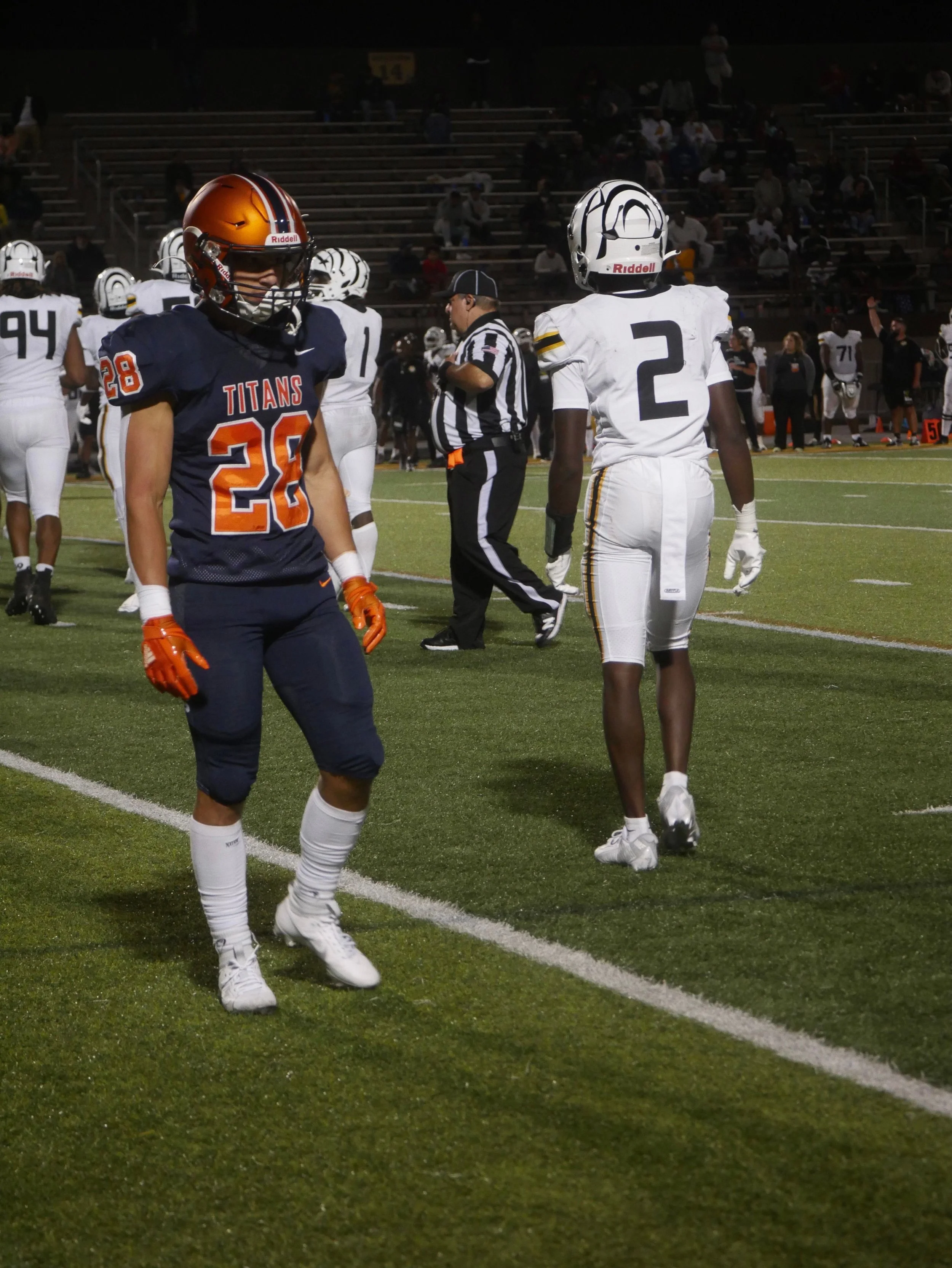
Workshops for athletes and teams
Interactive, practical sessions that help athletes build communication, self-advocacy, healthy boundaries, connection, and tools for navigating pressure, injury, identity, and transitions in sport.
Best for: Teams, clubs, schools, camps, and athlete groups.
Coach and staff training
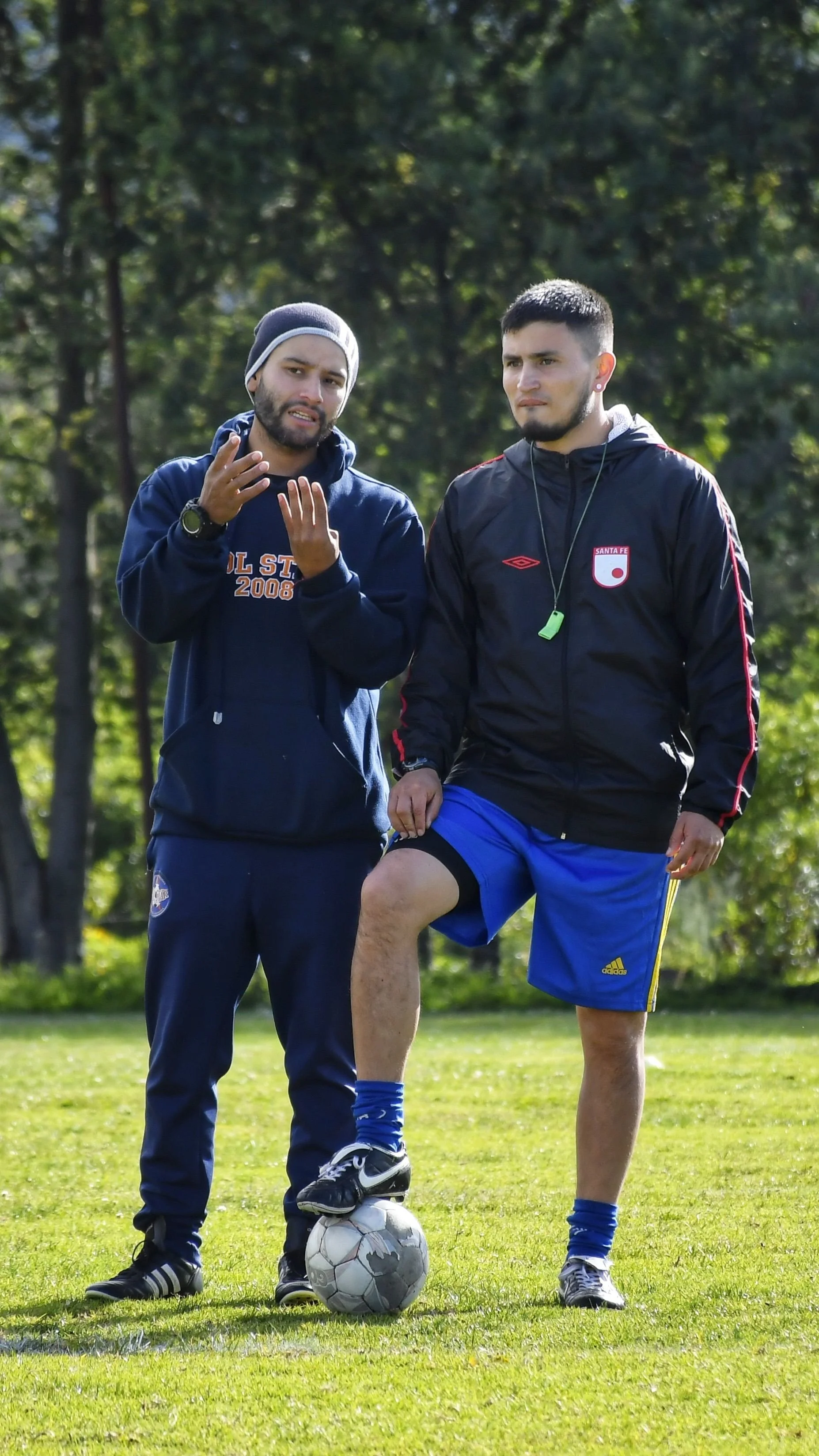
Practical education for coaches and support staff on clear communication, healthy boundaries, athlete support, referral awareness, and building psychologically safer team environments.
Best for: Coaching staffs, athletic departments, administrators, and support personnel.
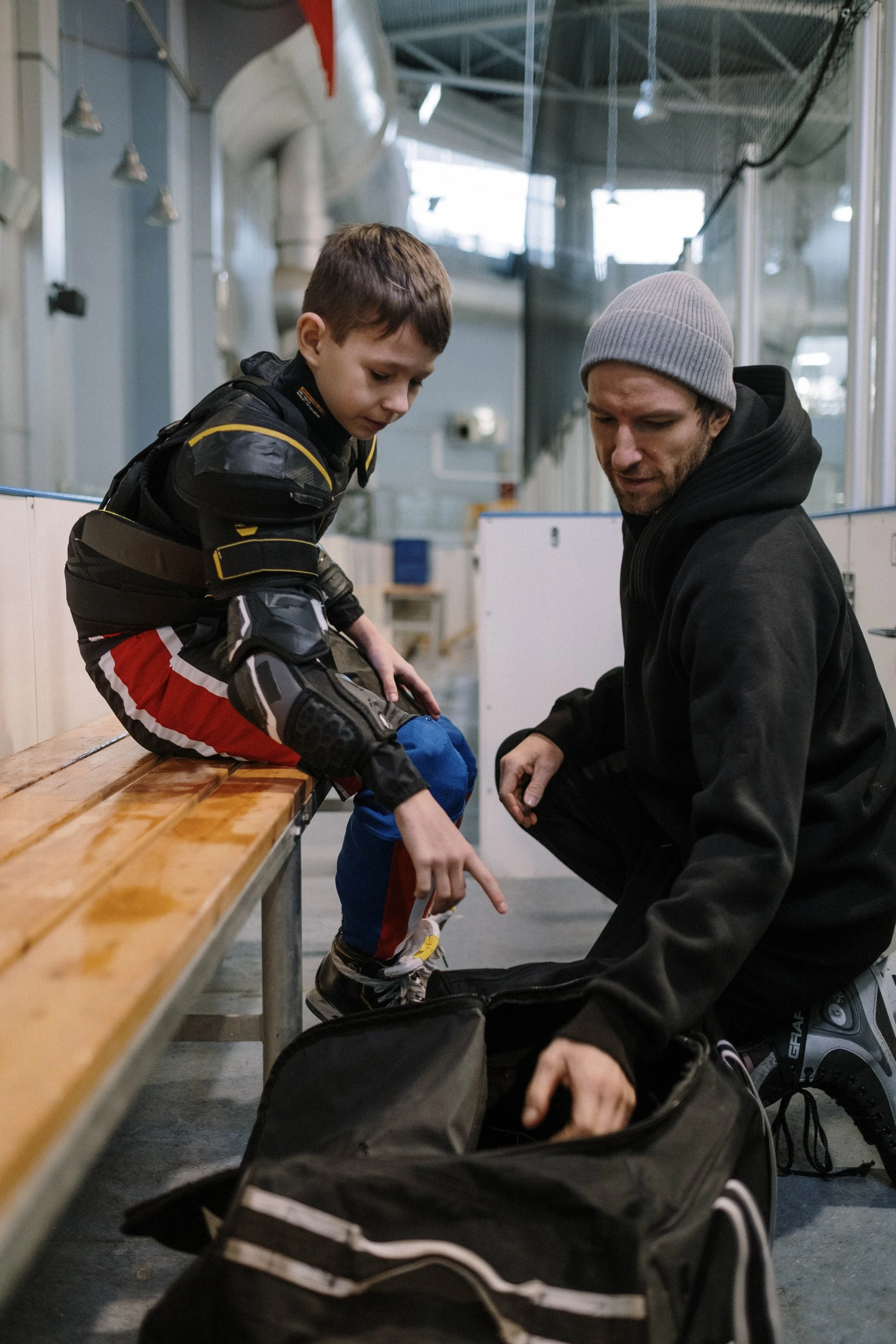
Parent and caregiver education
Engaging sessions that help caregivers support athletes with healthy encouragement, communication, boundaries, and perspective—at every stage of the sport experience.
Best for: Parent groups, youth-sport clubs, schools, and community organizations.
Organizational consulting and speaking
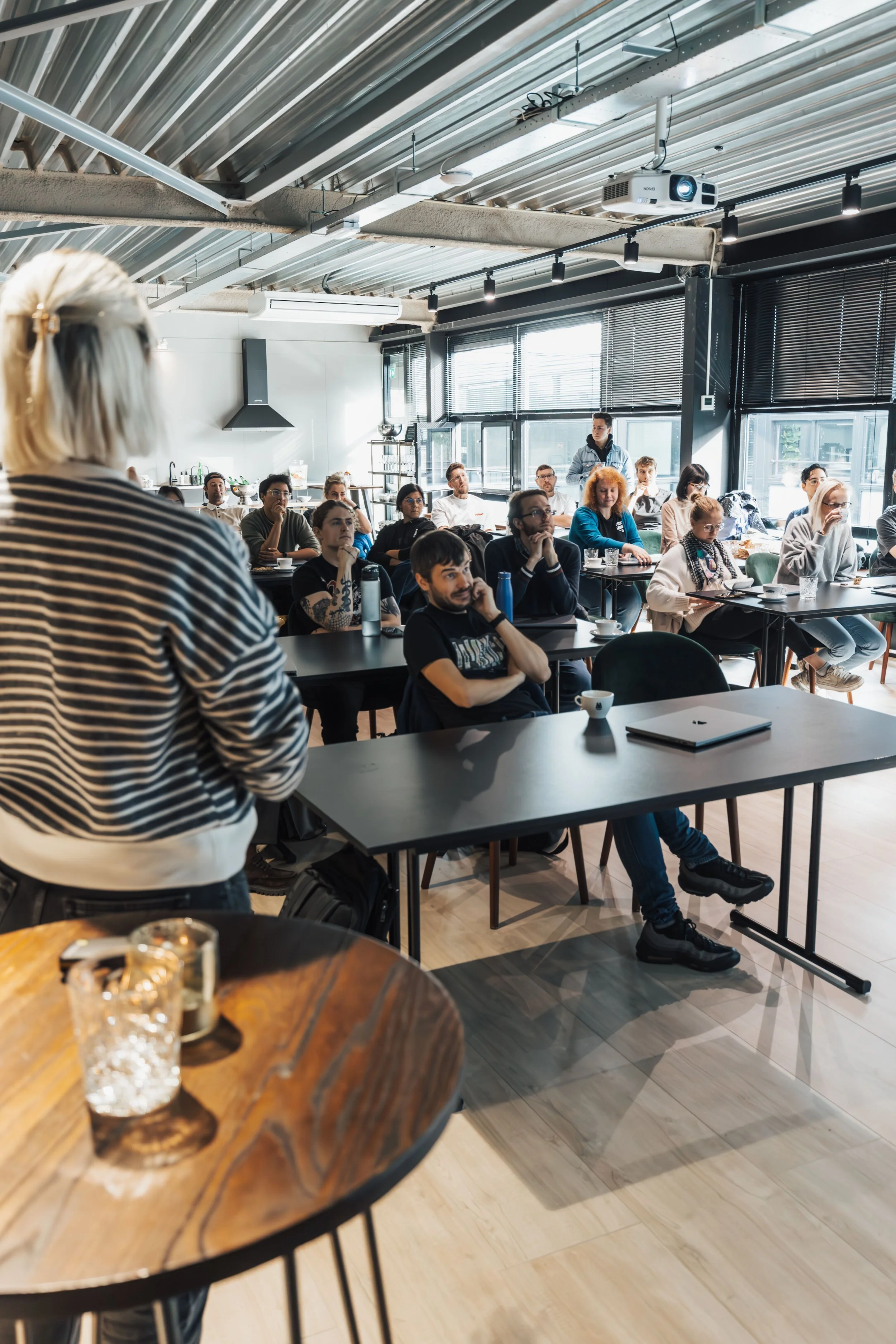
Customized consultation and speaking engagements for organizations that want to strengthen sport culture, communication, and athlete-centered support systems. Available for conferences, panels, guest lectures, keynotes, and program development.
Best for: Athletic departments, universities, leagues, nonprofits, conferences, and sport organizations.
Topics tailored to your group
Every session is customized to your audience, sport setting, and goals. Popular starting points include:

Confident communication: Practice clear, assertive communication with coaches, teammates, and support systems.
Owning your voice in sport: Build self-advocacy skills to ask for help, name needs, and speak up with confidence.
Identity beyond the game: Explore values, interests, and relationships that support a fuller sense of self beyond athletics.
Healthy striving—not perfectionism: Learn to pursue growth without letting self-criticism or unrealistic expectations take over.
Navigating injury and setbacks: Build tools for coping with disruption, uncertainty, loss, and the emotional impact of being sidelined.
Self-care for sustainable performance: Create realistic rest, routine, and support habits that protect long-term wellbeing.
Athletes
Strong voices, strong teams: Build communication habits that help athletes speak up, listen well, and feel safer contributing.
Leaders at every position: Develop shared leadership, accountability, and influence beyond team captains or starters.
From “me” to “we”: Strengthen team identity and cohesion by connecting individual goals to a shared purpose.
Tackling conflict and tough conversations: Learn constructive ways to address tension, set boundaries, repair relationships, and communicate directly.
Playing as one: Build mutual trust, collaboration, and collective responsibility on and off the field.
TEAMS
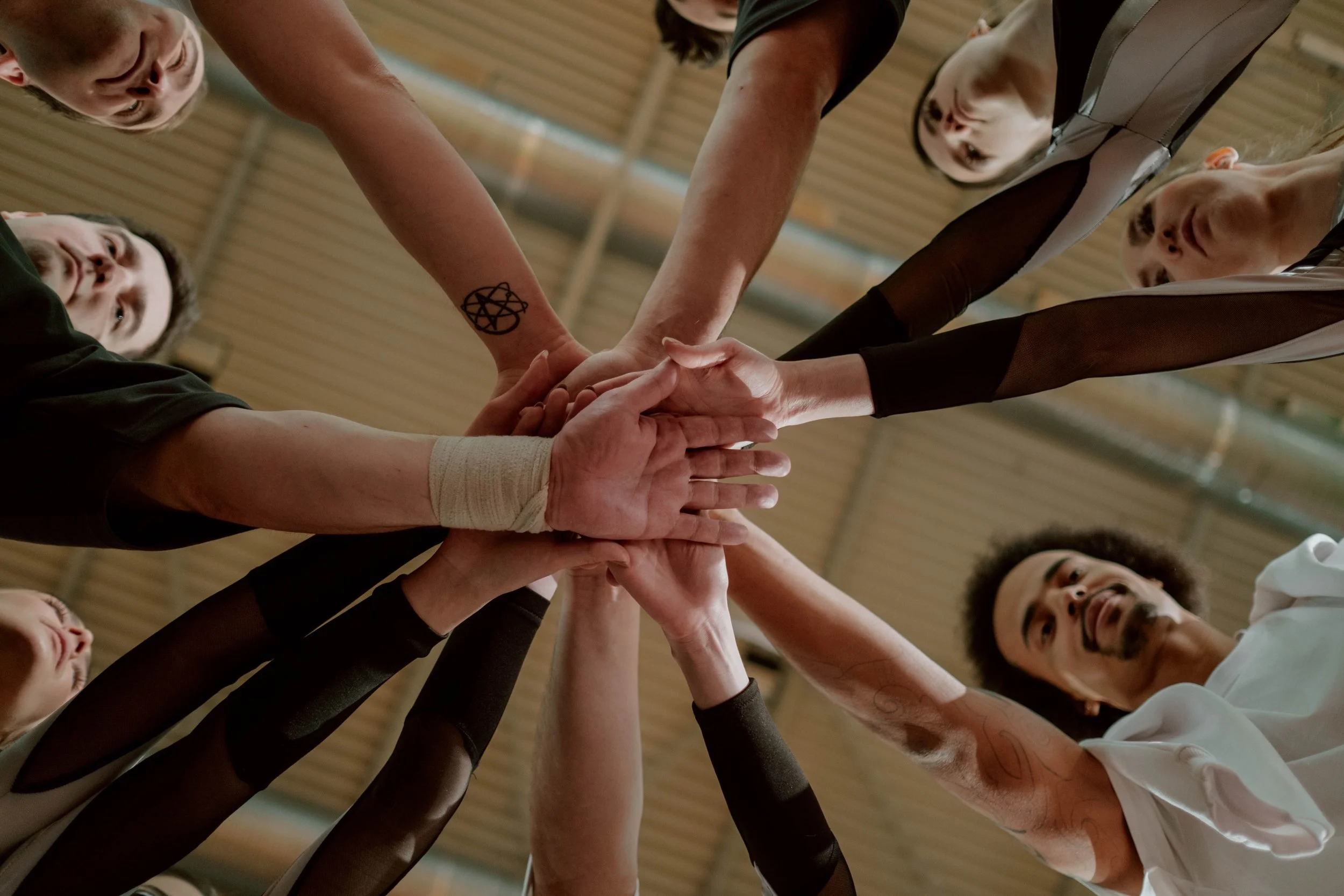
Coaches and Staff
Protecting your athletes: Learn practical ways to create safer, healthier team environments through boundaries, referral awareness, and protective culture.
Reading the locker room: Recognize team dynamics, unspoken stress, conflict, and inclusion needs before they become bigger issues.
Coaching with clarity: Communicate directions, expectations, and feedback in ways athletes can understand and use.
Supporting injured athletes: Respond to injured or sidelined athletes with empathy, practical support, and appropriate connection to resources.
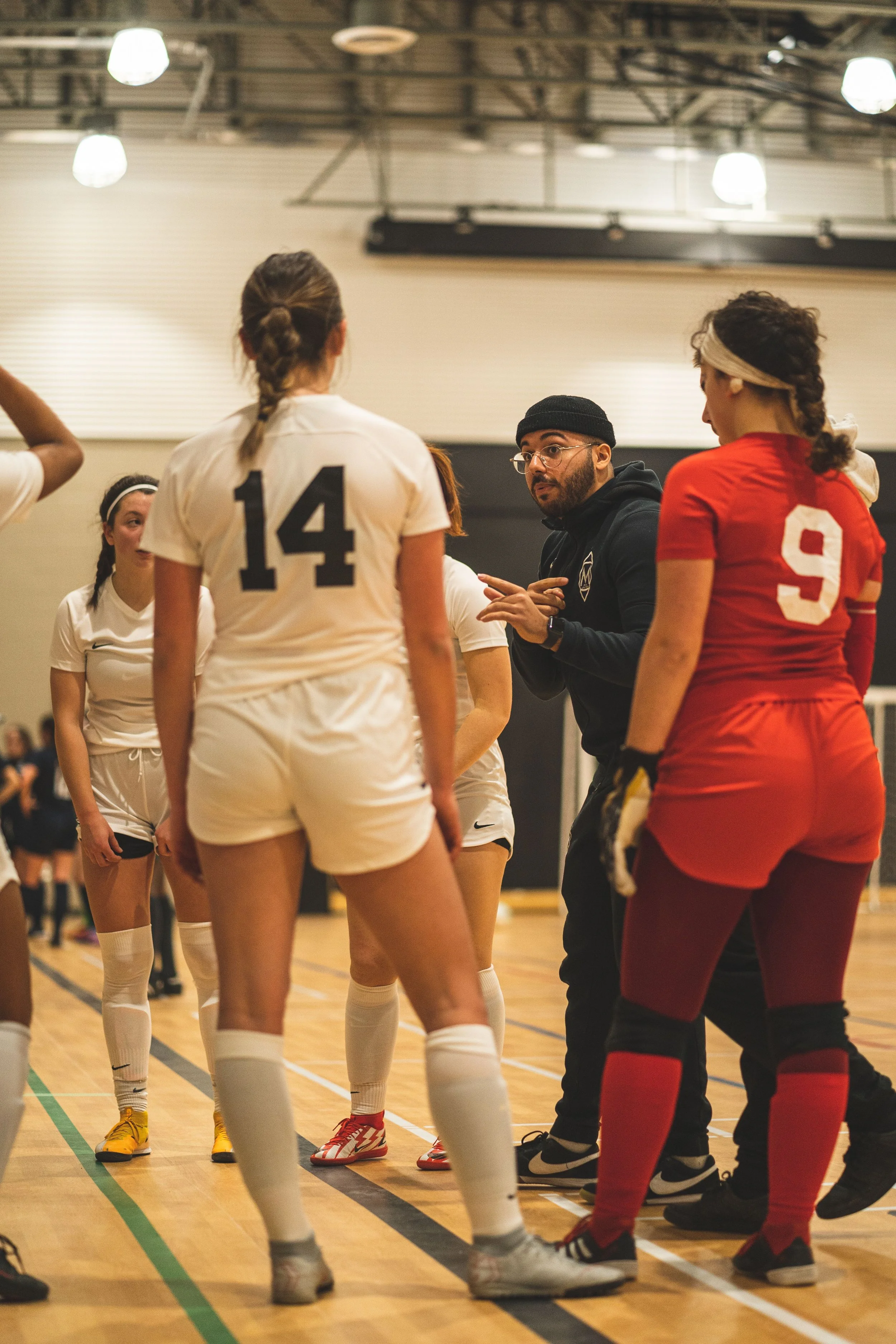
Sport parenting essentials: Learn how to encourage athletes in ways that support wellbeing, healthy boundaries, and perspective.
Talking with your athlete: Strengthen at-home conversations through listening, timing, and emotion-aware communication.
Partnering with coaches: Build respectful, productive communication with coaching staff around an athlete’s needs.
A steady home base: Create stability, belonging, and emotional safety for athletes outside of sport.
Caregivers and Parents
Bring athlete mental health into your game plan
Tell us about your athletes, team, or program, and we’ll follow up with options that fit your sport environment.